How Much Does YouTube Pay per 1,000 Views?
·Updated ·8 min read

The short answer: YouTube does not pay a fixed amount per 1,000 views. The useful number is your channel's RPM, which YouTube calculates from your revenue and total views. This guide explains the calculation, shows revenue scenarios, and points to the official eligibility and revenue-share rules.
CPM vs RPM: the number that matters
Two terms get mixed up constantly:
- CPM (cost per mille) is what advertisers pay per 1,000 ad impressions, before YouTube's cut.
- RPM (revenue per mille) is what you keep per 1,000 video views after YouTube's revenue share and can include ads, memberships, Premium, Super Chat, and Super Stickers.
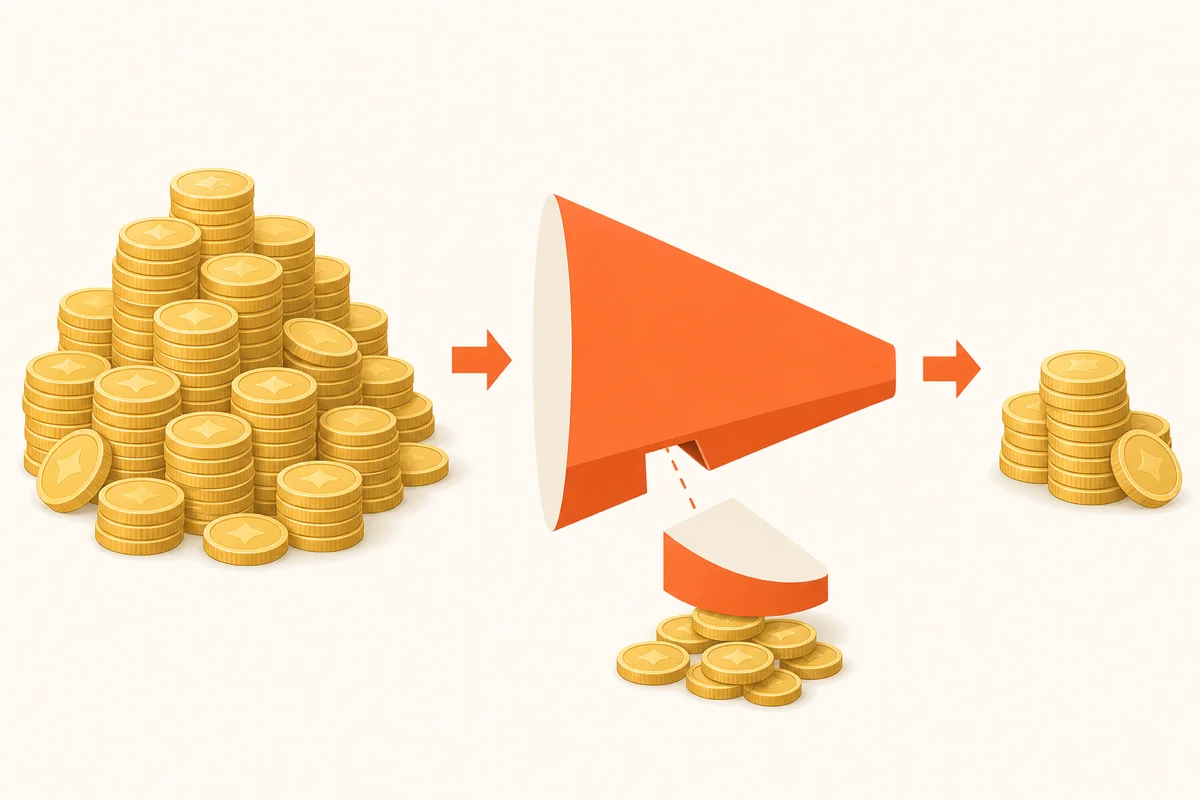
RPM is your real earnings figure. A $10 CPM does not mean $10 in your pocket: not every view shows an ad, and YouTube keeps its cut, so your RPM is usually a fraction of the CPM. The 55/45 definitions are set out in YouTube's RPM and CPM guide.
Calculate earnings from your own RPM
Use this formula: estimated revenue = views ÷ 1,000 × RPM. The examples below are calculations, not claims about what a channel should earn:
| Example RPM | Views needed for $1,000 |
|---|---|
| $2 | 500,000 |
| $5 | 200,000 |
| $10 | 100,000 |
Why the range is so wide
- Topic and advertiser demand. Competition for your audience affects ad bids and changes over time.
- Audience location. Views from the US, UK, Canada, Australia, and other markets can attract different ad demand than views elsewhere.
- Season. Ad budgets peak in Q4, so the same video can earn noticeably more in December than in January.
- Video length and format. Long-form videos at least eight minutes long can be eligible for mid-roll ads. Shorts use a separate pooled revenue model.
Shorts vs long-form: a big pay gap
The format you publish in changes your payout more than almost anything else. Long-form videos run pre-roll, display and mid-roll ads, and you keep 55% of that ad revenue. Shorts work differently: ad money is pooled across all Shorts and shared out according to eligible engaged views. YouTube says creators keep 45% of their allocated Shorts revenue. Its Shorts monetization guide explains the calculation.
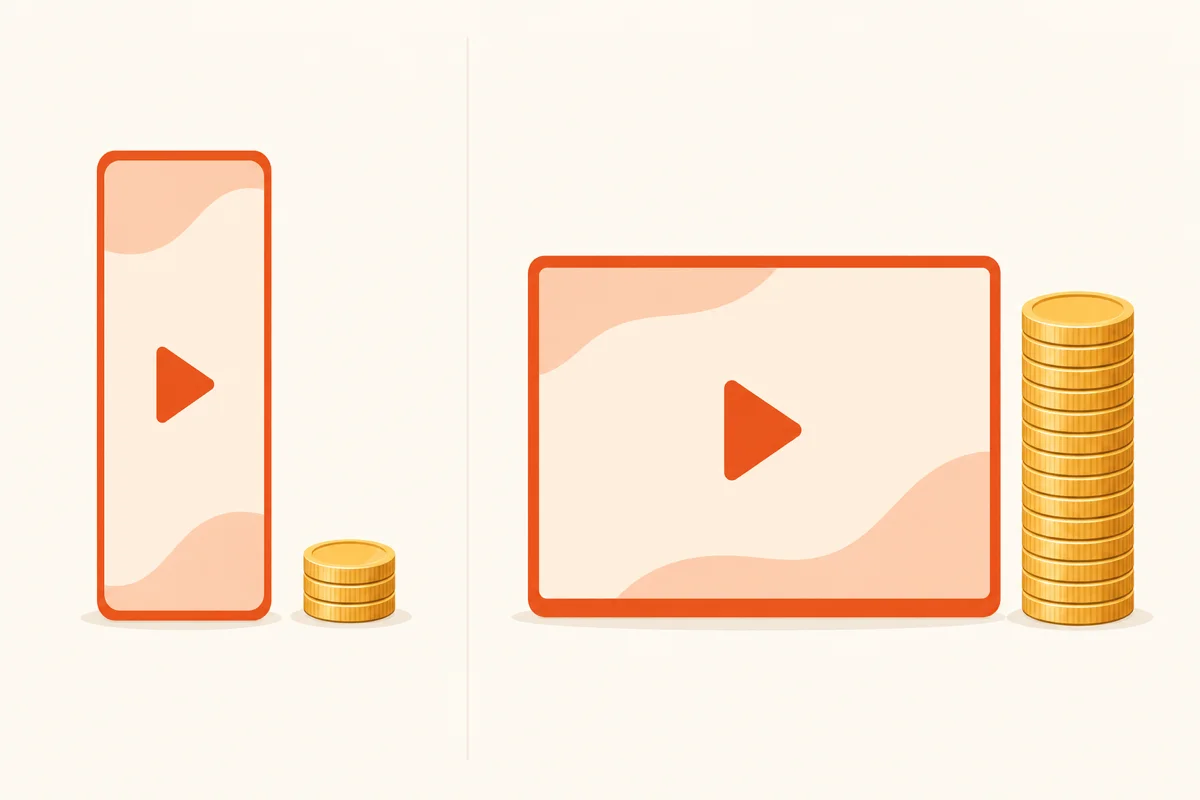
That doesn't make Shorts worthless - they're a powerful way to reach new viewers and grow subscribers who then watch your long-form videos. Treat Shorts and long-form as different formats, then compare their actual RPM and audience behavior in your own Analytics.
Do you even earn from views yet?
Views only pay once you're in the YouTube Partner Program. To qualify for ad revenue you need 1,000 subscribers plus 4,000 public watch hours in the past 12 months, or 10 million valid Shorts views in 90 days. Below that threshold alone is not enough: YouTube also lists policy, account, country, and channel-review requirements. Check the current Partner Program eligibility rules before planning around ad revenue.
How to grow your payout
You move RPM by improving what you can control: lean into a higher-value topic where it fits, make videos long enough for mid-roll ads, and improve viewer satisfaction and retention. You can also evaluate memberships, sponsorships, affiliate links, or your own products, but each has a different business model and disclosure requirements.
The lever underneath all of it is consistency. Channels that publish on a steady schedule compound faster. Use the free engagement rate calculator to benchmark how your audience responds, and schedule your uploads, plus the posts that promote them on your supported social networks, with Donivo.